
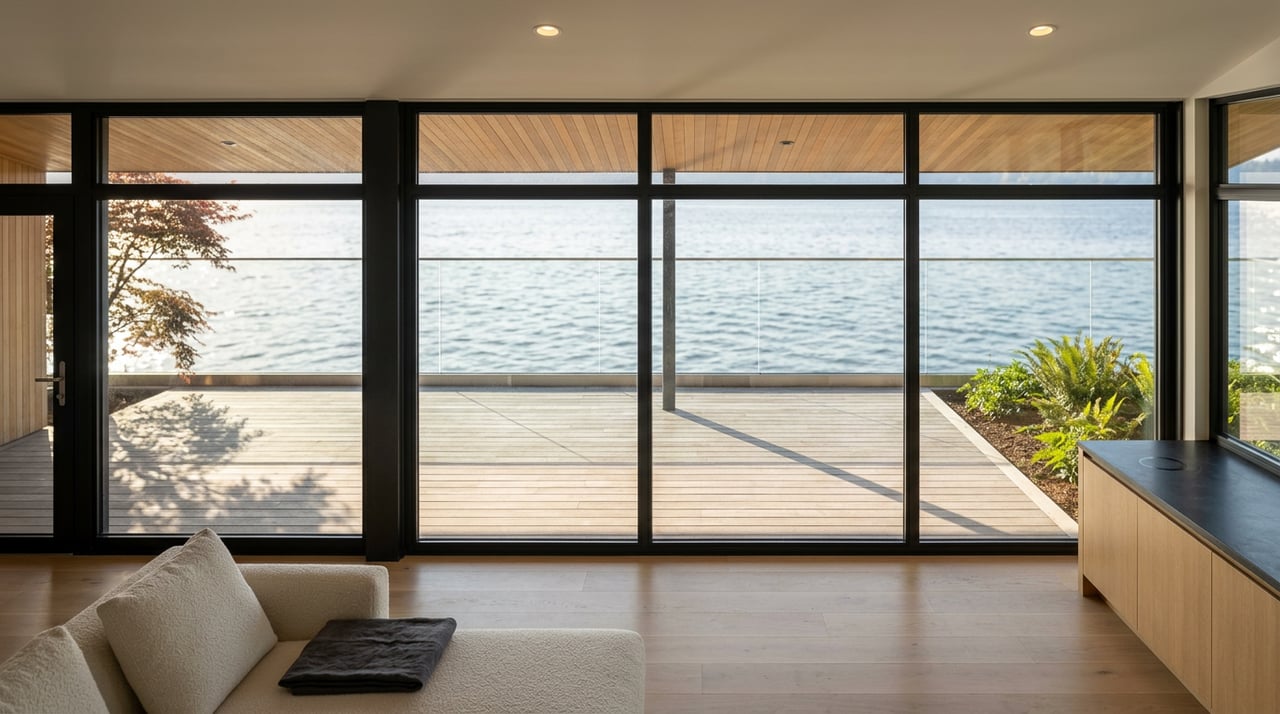
Coffee on the dock, glassy water, a paddle at sunrise, and a quick walk to a lakeside café for brunch. If you are picturing life on Oswego Lake in Lake Oswego, you are not alone. Buyers come here for a rare blend of waterfront living, privacy, and a connected village feel. In this guide, you will see how access works, what the homes look like, the rhythms of lake life, and the practical checks to make before you buy. Let’s dive in.
Oswego Lake is a managed, mid-sized lake of about 415 acres that has been stewarded by the private Lake Oswego Corporation (LOC) since the 1940s. You can learn more about LOC’s role on the Lake Oswego Corporation overview. Access is organized through two main systems: lakefront shareholders and easement associations. LOC lists about 20 easement lots and notes that over 3,000 homes in Lake Oswego are eligible for easement access through those associations, which together serve several thousand households. You will see that structure reflected in how docks, slips, and launches are allocated.
For decades, the lake operated under a private and easement-based access model. In November 2024, a Clackamas County judge ruled that the city’s blanket prohibition on lake entry from certain public parks was unlawful, which led the city to update rules and allow limited public entry at designated locations. You can read a plain-language summary of the decision and context in OPB’s coverage of the ruling. In 2025, the City of Lake Oswego adopted specific hours, vessel limits, and safety requirements for that access, detailed in the current parks rules.
If you buy a true lakefront parcel, you are typically a LOC shareholder and have privileges tied to ownership. If you buy a non-waterfront home with deeded easement rights, you may be able to join that easement association for dock or rack access, subject to bylaws, capacity and waitlists. LOC and easement associations set the rules and fees for slips, racks, and waterfront facilities, outlined on the LOC easements page. For visitors and non-members, be sure to check the city’s posted hours and rules before launching non-motorized craft from approved public points.
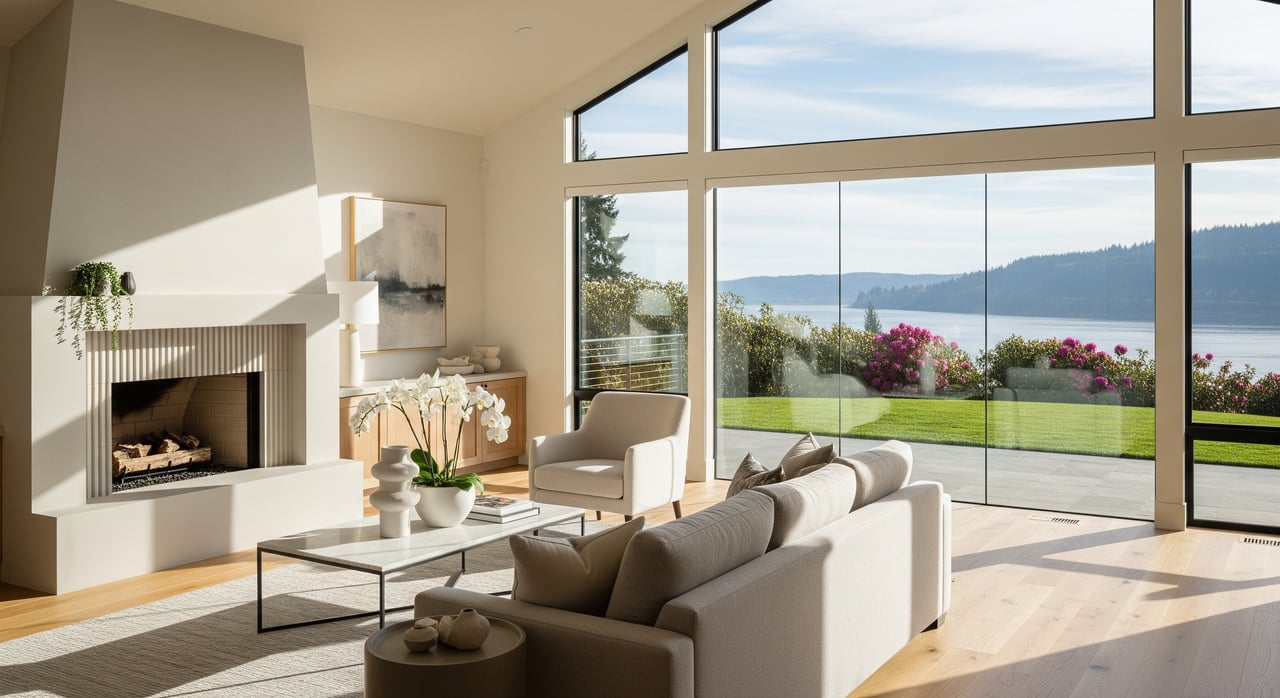
These are the premier parcels with direct frontage, private seawalls, docks or boathouses, and wide lake views. Homes range from historic cottages to large contemporary builds. Many lots integrate multi-level terraces, lake-facing great rooms, and outdoor kitchens that flow to the dock.
Neighborhoods on sheltered water, such as the Lakewood area and other bays and canals, often feature a mix of smaller private frontage and shared slip or easement access. Lot shapes vary with the shoreline, and many homes enjoy easier paddling and calmer water.
Thousands of upland homes in Lake Oswego are eligible to join one of LOC’s easements, which provide docks, slips, kayak racks, or small launch facilities. Amenities and rules vary. Start with the LOC easements directory to understand which association serves a given property and how membership works.
You will find a blend of traditional Craftsman and revival styles, mid-century and ranch-era homes, and substantial custom residences with contemporary or Mediterranean influences. On the water, structures are regulated. The LOC waterfront development guidance outlines limits for dock projections and boathouse size and height, along with permit requirements. Rooftop decks and other features have specific restrictions, so it is wise to confirm what exists today and what can be added.
Boating is central to the lifestyle here. Expect morning paddles, afternoon cruises, and seasonal ski and wake activities. LOC coordinates member programming, including the Fourth of July boat parade and concert, and operates lake patrol and marina services.
Two swim parks have long provided seasonal resident access outside of easements: the city-operated Lake Oswego Swim Park and the Lake Grove Swim Park run by the school district. In 2025, the city also defined limited public entry from Lower Millennium Plaza Park for non-motorized craft, with hours and safety requirements laid out in the parks rules. Many residents pair lake time with downtown conveniences. The compact village offers dining, boutiques, a farmers’ market, the Moonlight & Music summer concert series, and the Festival of the Arts nearby. See the city’s overview of Downtown Lake Oswego for a sense of the year-round calendar.
Lake Oswego is an upper-price suburban market, and waterfront homes sit at the premium tier. Listings on the lake often start in the low millions and extend to multi-million dollar estates, with limited inventory and infrequent turnover. Beyond the purchase price, factor in LOC or easement dues, slip or rack fees, higher maintenance for docks and seawalls, property taxes, and insurance. Easement initiation and annual fees vary by association and are summarized on many individual easement pages within the LOC easements resource.
If you plan changes to a dock or boathouse, budget for permits and construction. The LOC waterfront development standards explain review steps for work on LOC property alongside city permitting. Waterfront lots can also sit within local flood management overlays. Before you commit to a design or insurance plan, review the city’s flood management code starting with the Lake Oswego floodplain provisions and consult FEMA maps for parcel-level elevation.
Like many managed lakes, Oswego Lake’s water quality is actively monitored. Algal blooms and nutrient management have been community topics in recent years, with LOC and regional groups tracking conditions. For a sense of the public conversation and historical context, see local reporting that has covered algae and governance disputes, such as this Willamette Week piece. Before planning seasonal swimming or heavy recreation, check the latest advisories from LOC and the City.
Use this quick list early in your search and again when you focus on a specific property:
Life on Oswego Lake blends a managed, member-driven boating culture with a lively, walkable village. The details matter here. Access depends on deeded rights and easement bylaws, waterfront structures require permits, and recent court rulings have changed the public-access picture. With the right advisor, you can align a property’s rights and costs with how you actually want to live on the water.
If you are weighing lakefront, easement, or village-proximate options, let’s talk about timing, access, and off-market opportunities. For discreet guidance and end-to-end coordination, connect with ODonnell Group Realty.






We pride ourselves on informing and educating our clients in order to make better real estate decisions. Contact us today to find out how we can be of assistance to you!
1830 NW Riverscape St Ste 806 Portland OR 97209
