Leave a Message

Thank you for your message. We will be in touch with you shortly.

Luxury Condo Or West Hills Home? How To Decide

Should you live sky-high above the city or tucked into the trees with sweeping views? If you are deciding between a luxury condo downtown and a single-family home in Portland’s West Hills, you are weighing two excellent but very different lifestyles. You want convenience, privacy, and a smart long-term move that fits work and travel. This guide gives you a clear framework to compare lifestyle, commute, costs, risk, and resale so you can choose with confidence. Let’s dive in.

Start with your nonnegotiables

Before touring anything, define the few things you will not compromise on. Common examples include commute time to the office, how often you host, the need for private outdoor space, parking for a collection, and quick airport access. Add any specific needs such as proximity to clubs, medical facilities, or preferred services. Once your list is set, the condo versus West Hills decision gets much simpler.

Lifestyle tradeoffs

Urban luxury condo

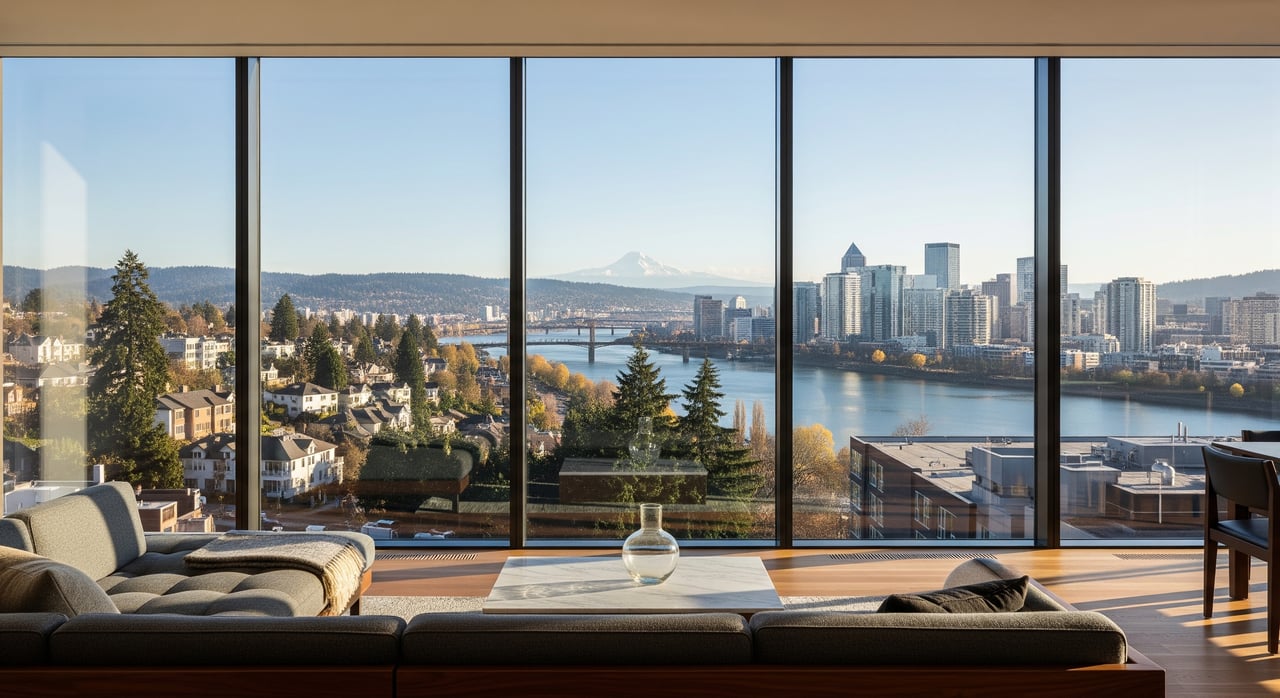
If you want a walkable routine and low-maintenance living, a luxury condo can be ideal. The Pearl District offers galleries, dining, and boutique retail within steps. South Waterfront features modern towers and direct Portland Aerial Tram access to OHSU. Downtown and the West End put theaters, courts, and corporate offices nearby, while the Nob Hill and NW 23rd corridor provide a boutique, low-rise feel.

  • Pros: walkable dining and culture, building amenities like fitness rooms and concierge, lower personal maintenance time, easy ride-hail access.
  • Cons: limited private outdoor space, building rules for renovations and guests, shared walls and vertical circulation, potential noise from urban activity.

West Hills single-family home

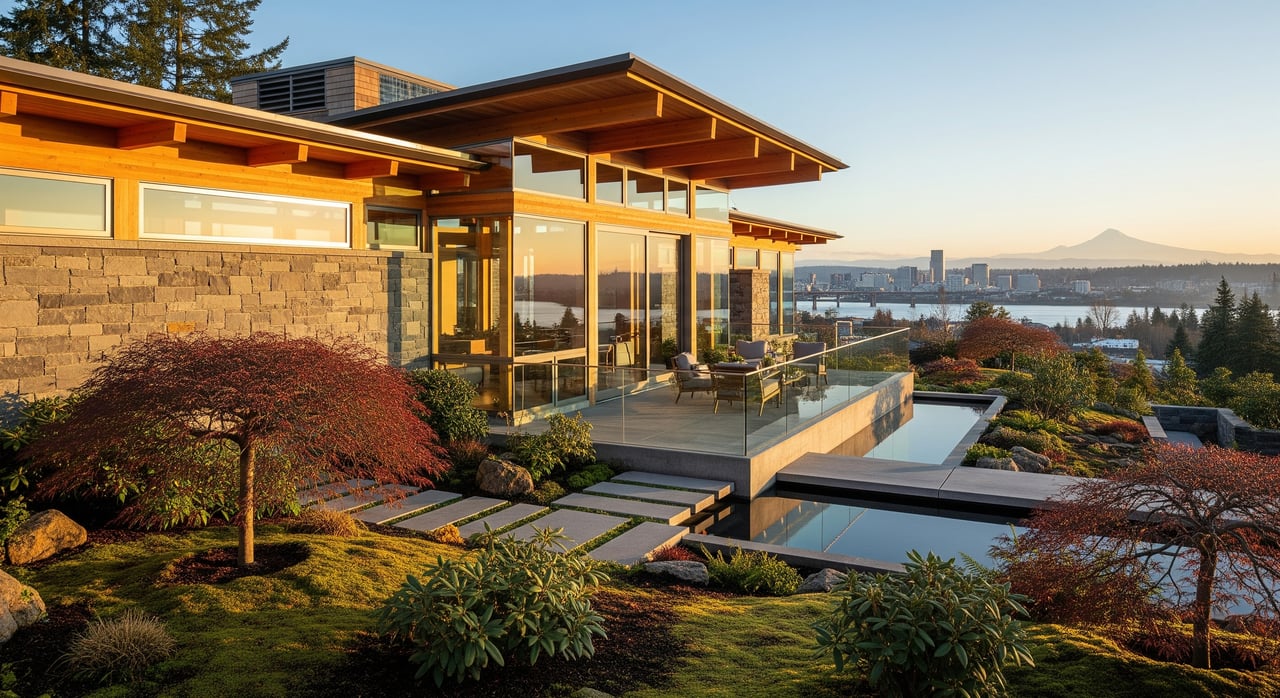
If you value privacy, land, and outdoor living, the West Hills may fit. You will find larger lots, mature trees, and elevation that frames river and mountain views. Many properties sit close to Forest Park trailheads. Neighborhoods include areas west of NW 23rd and those edging Forest Park, such as NW Heights and Sylvan-Highlands.

  • Pros: private yards and terraces, room for pools or guest houses, separation from neighbors, large garages and flexible space for offices or staff.
  • Cons: more time and cost to maintain grounds and systems, fewer urban amenities within an easy walk, steeper roads and microclimates that affect winter access.

Commute and access

Central condos typically provide very short commutes to downtown employers and courts, plus frequent transit and quick ride-hail. South Waterfront adds a fast connection to OHSU via the tram. In the West Hills, drive times to the core can be reasonable but vary by route and time of day due to winding streets and congestion at arterials. Transit is available, though less frequent and may require walking on steep streets. Portland’s average commute sits in the mid‑20 minutes range, but you should test your exact route during peak hours.

Pro tip: do a weekday morning and evening commute test from each candidate property, then time your preferred airport route.

Maintenance and ongoing costs

Condos: HOA, services, and reserves

Luxury buildings often include exterior maintenance, common areas, some utilities, and building insurance in monthly dues. Services like concierge, valet, and amenities increase dues. Review the association’s reserve study, board minutes, and any planned special assessments. Ask about owner‑occupancy ratios, rental restrictions, pending litigation, capital projects, and parking or storage rights. For insurance, you will typically carry an HO‑6 policy for interior finishes and personal property, and you should confirm the association’s master policy coverage and deductibles.

West Hills homes: control and responsibility

Most West Hills homes are not in large HOAs, so you control your property and bear all upkeep. Budget for roofing, exterior paint or siding, landscaping, drainage, driveway maintenance, and higher utilities for larger homes. Older properties may need seismic upgrades or hillside stabilization. Insurance is usually an HO‑3 or HO‑5 policy that covers the structure and property. For hillside locations, confirm any geotechnical exclusions and get quotes for earthquake coverage.

Privacy and security

Condos: controlled access, shared environment

Many luxury condominiums provide doorman or concierge services, controlled entry, cameras, and secure parking. You benefit from a monitored environment and consistent standards. The tradeoff is shared walls, common areas, and building rules that shape how you host, renovate, or manage guests.

West Hills: private space, owner‑driven systems

Single-family properties can offer gated drives, custom security systems, and greater physical separation. You decide the protocols and investments that suit your lifestyle. Effective security depends on your setup and presence.

Long‑term value and liquidity

West Hills supply is constrained by topography, tree protection, and zoning. That scarcity can support value for well-situated properties with strong views and access. Downtown luxury condos are more sensitive to development cycles. New tower deliveries in the Pearl or South Waterfront can influence pricing and absorption.

For resale, condo value is often driven by floor level, view corridor, parking, and the health of the association. West Hills value is driven by lot quality, views, ingress and egress, and overall condition. In some cycles, central condos see faster turnover among executives and pied‑à‑terre buyers. In others, single-family homes attract steady demand from privacy-seeking buyers.

Site and regulatory risks to evaluate

  • Slope and landslide risk: some West Hills sites are on steep slopes or in mapped hazard zones. Order geotechnical reviews for hillside properties and verify permit history.
  • Seismic considerations: older downtown buildings may need seismic retrofits. For condos, evaluate completed work and capital planning.
  • Trees and view protections: Portland’s tree codes affect removal and can influence your ability to maintain views. Review any overlays and neighbor agreements.
  • City rules and HOA governance: short‑term rental licensing, guest policies, and building rules can affect how you use a condo. Review CC&Rs and bylaws.

A simple scoring framework

Use a quick, quantitative method to compare your finalists, then validate with targeted diligence.

  1. Clarify nonnegotiables. Set required commute time, hosting needs, bedrooms, indoor and outdoor square footage, and any proximity requirements.
  2. Assign weights to five factors that matter to you. A common starting point is Lifestyle 25 percent, Privacy and Security 20 percent, Maintenance Burden 15 percent, Commute and Access 20 percent, Long‑term Value 20 percent. Adjust as needed.
  3. Score each property 1 to 5 on every factor. Multiply by the weights to get a comparable score for a condo versus a West Hills home.
  4. Do immersion tests. Spend a weekday and weekend near each option. Try your morning routine, entertainment plans, and commute. Test cell service, internet speeds, ride‑hail access, and guest parking.
  5. Plan your transition. Consider furnishing, storage, staffing, vehicle needs, and how each property type supports them, such as building storage and valet versus on‑site garages and workshops.

Due diligence checklists

For any condo

  • Request HOA budget, reserve study, recent board minutes, CC&Rs, and insurance declarations.
  • Verify owner‑occupancy and rental percentages and identify any current or pending assessments.
  • Inspect common amenities and service contracts such as elevators, HVAC, roofs, and water systems.
  • Confirm deeded parking stalls, storage lockers, and any exclusive use areas.
  • Review pet rules, guest and short‑term rental policies, and the renovations approval process.

For any West Hills home

  • Obtain a geotechnical report for properties on or near slopes.
  • Order inspections focused on foundation, retaining walls, drainage, and roofing.
  • Review tree regulations, view easements, and any grading permits or neighborhood overlays.
  • Confirm utilities, backup power, and on‑site connectivity. Test cell and wired internet speeds.

For both property types

  • Test commute times during weekday peaks and airport routes at typical departure hours.
  • Visit the neighborhood on a weeknight and weekend to assess noise, traffic, and access.
  • Review comparable sales and days on market by price band with current MLS data.
  • Get insurance quotes that reflect actual coverage needs, including earthquake endorsements where relevant.
  • Consult a local expert team that knows both luxury condos and West Hills estates.

Who typically chooses each option

  • Choose a luxury condo if you want immediate access to dining and culture, minimal maintenance, building amenities, and short trips to central offices or OHSU.
  • Choose a West Hills home if you want privacy, land, and outdoor living, space for collections or staff, and direct access to trails, with a willingness to manage maintenance.

How we support your decision

You deserve a discreet, data‑driven process that protects your time. Our team specializes in both luxury condominiums and West Hills estates, with concierge coordination that simplifies every step. We help you define nonnegotiables, run a weighted comparison, and surface curated on‑ and off‑market options that match your profile. We also manage due diligence, from HOA reviews to geotechnical and structural evaluations, and coordinate trusted vendors for inspections, design, and move‑in.

When you are ready to compare a top-tier Pearl tower to a view estate in the West Hills, we will assemble the right experts and handle the details behind the scenes. That way you can focus on the lifestyle you want and the value you expect.

Ready to explore both paths with confidence? Connect with the team at ODonnell Group Realty for curated access and white‑glove guidance.
FAQs

What should I weigh when choosing a Portland luxury condo vs a West Hills home?

  • Compare lifestyle priorities, commute and guest access, maintenance tolerance, site or building risks, and long‑term value drivers, then use a weighted score to decide.

How do HOA dues work in Portland luxury buildings and what should I review?

  • Review the HOA budget, reserve study, board minutes, assessments, insurance, owner‑occupancy ratios, rental rules, and any major capital projects in the pipeline.

What inspections are essential for a West Hills hillside property?

  • Order a geotechnical review, foundation and retaining wall inspection, drainage assessment, roof evaluation, and a check of tree regulations and prior permits.

How do commute realities differ between Pearl District condos and West Hills homes?

  • Central condos usually offer shorter, simpler trips with strong transit and ride‑hail access, while West Hills drives vary by time of day and route due to topography and arterials.

Are short‑term rentals typically allowed in Portland luxury condos?

  • Policies vary by building and city rules. Verify CC&Rs, bylaws, and local licensing requirements, plus guest and rental restrictions, before you buy.

Work With Us

We pride ourselves on informing and educating our clients in order to make better real estate decisions. Contact us today to find out how we can be of assistance to you!
FOLLOW US